
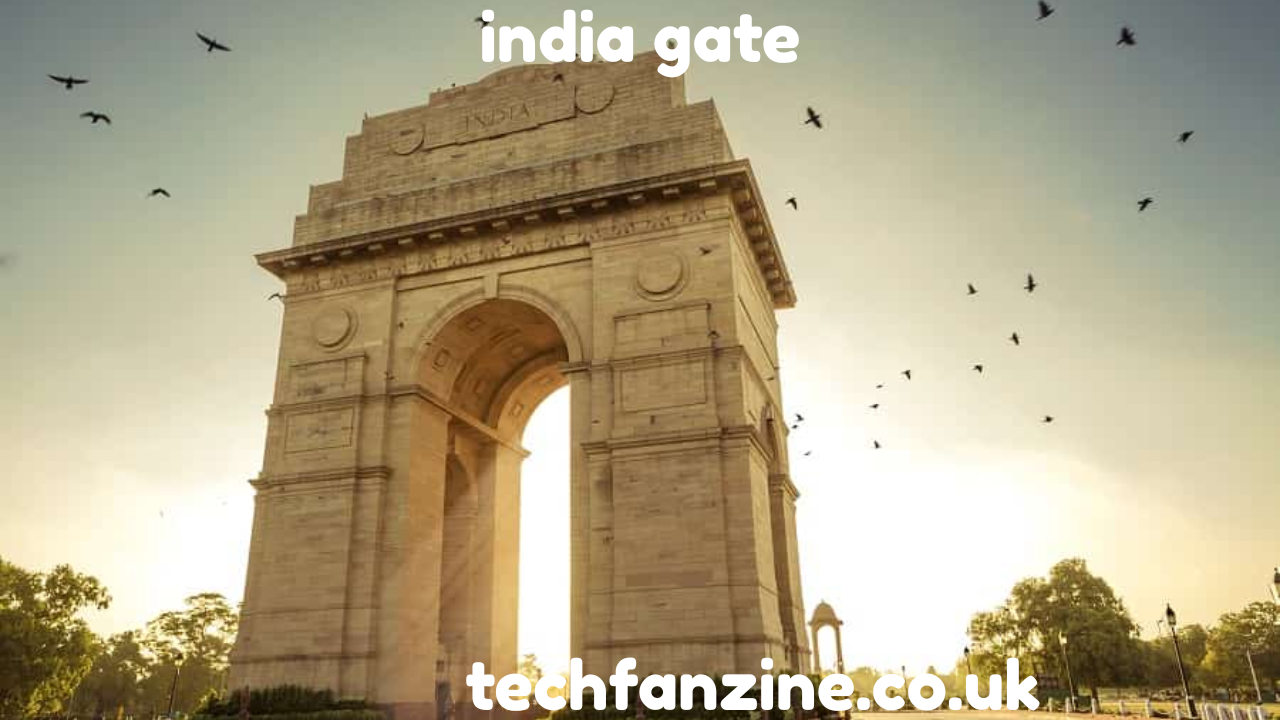
India is a land of rich heritage, culture, and history, with countless monuments that reflect its glorious past. Among these iconic landmarks, India Gate stands tall as a symbol of valor, sacrifice, and remembrance. Located in the heart of New Delhi, this magnificent structure is not just an architectural marvel but also a site of immense historical and emotional significance for the nation. From its conception to its present-day importance, India Gate continues to captivate visitors and locals alike.
Historical Significance of India Gate

The history of India Gate is deeply rooted in the events of World War I and the subsequent years of India’s colonial past. Originally conceived to honor the soldiers of the British Indian Army who lost their lives during the First World War, the monument carries the names of more than 13,000 soldiers engraved on its walls.
Designed by the renowned British architect Sir Edwin Lutyens, India Gate was constructed between 1921 and 1931. The monument’s purpose went beyond just commemorating fallen soldiers—it also represented the architectural and political aspirations of that era. Its construction was part of the larger design of New Delhi, which was envisioned to be the capital of British India.
The towering arch of India Gate, reminiscent of the Arc de Triomphe in Paris, serves as a solemn reminder of sacrifice and courage. The addition of the Amar Jawan Jyoti, or the Flame of the Immortal Soldier, after India’s independence in 1947, further emphasized its national significance as a tribute to all Indian soldiers who sacrificed their lives in various conflicts.
Architectural Design and Features

One of the most striking aspects of India Gate is its architectural grandeur. Standing at approximately 42 meters in height, the sandstone monument combines classical and Indian design elements, giving it a timeless appeal.
The monument is built using red and yellow sandstone, materials that are durable and visually impressive. Its design features a massive archway, flanked by intricately carved inscriptions of soldiers’ names, regiments, and battles fought. The clean lines and symmetrical design reflect Sir Edwin Lutyens’ expertise in neoclassical architecture.
Beneath the arch of India Gate, the Amar Jawan Jyoti burns perpetually, symbolizing eternal remembrance. This eternal flame is accompanied by a black marble plinth, where a rifle capped with a war helmet is laid, representing the soldiers who gave their lives in battle. The combination of architecture, symbolism, and emotional weight makes India Gate a powerful national landmark.
India Gate as a Tourist Attraction
Over the decades, India Gate has become one of the most visited monuments in New Delhi. Tourists from around the world flock to witness its grandeur and experience its historical aura. Evening visits to India Gate are particularly popular, as the monument is beautifully illuminated, creating a serene and majestic atmosphere.
The surrounding lawns and gardens offer a relaxing space for visitors to stroll, picnic, or simply enjoy the scenic views. Street vendors selling snacks, local delicacies, and souvenirs add to the vibrant yet respectful ambiance of the area. For many, a visit to India Gate is not just about sightseeing; it is an opportunity to pay homage to the soldiers whose names are etched on its walls.
Photography enthusiasts also find India Gate appealing due to its symmetry, open spaces, and the dramatic effect of lighting during sunrise or sunset. The monument’s proximity to other significant landmarks in New Delhi, such as Rashtrapati Bhavan and Rajpath, further makes it a must-visit location for anyone exploring the city.
Ceremonial Importance and National Events
Apart from its historical and architectural significance, India Gate holds immense ceremonial importance. Every year on Republic Day, January 26th, the monument becomes a central point for national celebrations. The grand Republic Day parade passes along Rajpath, with India Gate serving as a backdrop to the display of India’s military prowess and cultural diversity.
The Amar Jawan Jyoti at India Gate also serves as a site for solemn ceremonies on national occasions such as Independence Day and Armed Forces Flag Day. Leaders, dignitaries, and citizens pay tribute to the soldiers, reinforcing the monument’s role as a symbol of national pride and remembrance.
In times of mourning or national significance, India Gate becomes a focal point for collective grief and reflection. The monument transcends its physical presence to evoke emotions of unity, patriotism, and respect for those who serve the nation.
Cultural Influence and Modern Significance
Beyond its historical and national importance, India Gate has also influenced Indian popular culture. It frequently appears in films, literature, and photography as a symbol of India’s legacy and valor. Artists and writers draw inspiration from its solemn yet majestic presence to convey themes of sacrifice, honor, and national identity.
For contemporary Indians, India Gate represents more than just history. It is a space where citizens can connect with their roots, reflect on their nation’s journey, and instill a sense of pride in younger generations. Its enduring relevance ensures that it continues to be a living monument, bridging the past with the present.
Visiting Tips for India Gate
If you plan to visit India Gate, there are several tips to enhance your experience:
- Timing: Evening visits offer a spectacular view with the monument illuminated. Early mornings are ideal for a peaceful experience.
- Photography: Capture the symmetry of the arch and the eternal flame for memorable photos.
- Security: Being a national monument, security checks are standard, so plan accordingly.
- Guided Tours: Engaging a local guide can provide deeper historical insights and anecdotes about the soldiers commemorated here.
- Nearby Attractions: Combine your visit with other landmarks along Rajpath, including Rashtrapati Bhavan and National War Memorial.
Conclusion: India Gate as a National Treasure
In conclusion, India Gate is more than just a historical monument—it is a symbol of courage, sacrifice, and national pride. From its architectural elegance to its ceremonial importance, it embodies India’s rich heritage and the collective memory of its soldiers. Whether you are a history enthusiast, a tourist, or a citizen paying respects, India Gate offers an experience that is both humbling and inspiring.
ALSO READ : Euphonium: A Deep Dive into the Majestic Brass Instrument