
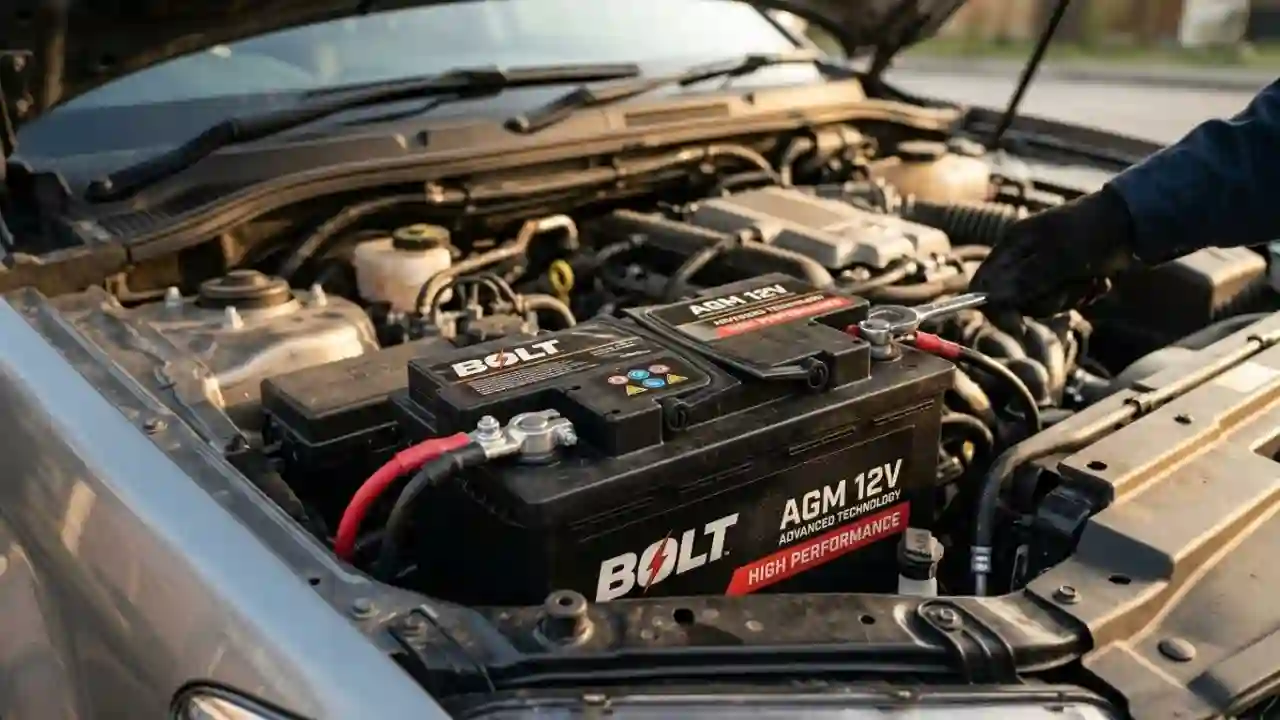
There is something quietly heroic about the technology that helps a vehicle wake up every single day. You turn the key or press the button, and in a heartbeat, the engine responds. No ceremony. No applause. Just dependable power. Yet behind that simple moment stands one of the most overlooked champions in modern mobility: the car battery.
For many drivers, it is easy to forget this compact powerhouse until a freezing morning, a dim dashboard, or an unexpected silence reminds you how essential it really is. That is why understanding battery technology is not just for mechanics or gearheads. It is for you, the everyday driver who wants confidence, safety, and fewer stressful surprises.
Years ago, during a roadside battle with a stubborn old sedan that refused to start before a family gathering, the lesson became unforgettable. Everyone had advice. Tap this. Wiggle that. Wait a minute and try again. But the real issue was simple: the battery had reached its limit. In that tense little battle between hope and reality, one truth stood tall—reliable battery technology matters more than most people realize.
Why the Car Battery Still Rules the Road
Even as vehicles become smarter, sleeker, and more digitally connected, the battery remains central to the whole experience. It powers ignition, supports lighting, feeds onboard electronics, and helps stabilize electrical demands throughout the vehicle. Without it, all the advanced engineering in the world means very little.
A modern car battery is designed to do far more than provide a quick burst of starting power. It must endure temperature extremes, resist vibration, recharge efficiently, and support a growing number of accessories. Navigation systems, safety sensors, heated seats, touchscreens, and advanced driver features all place new demands on car-battery performance.
That is why battery innovation has become such an exciting field. Manufacturers now focus on stronger internal construction, longer lifespan, improved energy flow, and better reliability in harsh conditions. The humble battery is no longer so humble.
How Car Battery Technology Has Evolved
Traditional lead-acid batteries laid the groundwork, and they still serve many vehicles well. They are affordable, widely available, and effective for standard use. But newer technologies have raised the bar.
Absorbent Glass Mat, or AGM batteries, have become especially important in vehicles with start-stop systems and heavier electrical loads. These batteries offer better durability, faster recharge rates, and improved performance under repeated cycling. Enhanced flooded batteries have also stepped in as a stronger option for modern driving needs.
Then there is the rise of lithium-based systems in hybrid and electric platforms, pointing toward a future where energy storage becomes even more refined, responsive, and efficient. What used to be a simple under-the-hood component is now part of a larger conversation about sustainability, convenience, and the future of transportation.
The quiet beauty of this evolution is easy to miss, but it is there. In fact, one evening in a garage filled with tools and old parts, a faint acoustic hum from a charger created a strangely calming mood. It was just background noise, really, yet it felt like listening to progress itself—steady, purposeful, alive. Sometimes the sounds of technology tell their own story.
Signs You May Need a Car Battery Replacement
Batteries rarely fail with dramatic warning. More often, they whisper before they give up completely. A slow engine crank, flickering headlights, clicking sounds when starting, or electrical features behaving oddly can all point to trouble ahead.
Weather can make things worse. Cold temperatures reduce available power, while heat can damage internal components over time. If your battery is more than three to five years old, paying attention becomes even more important.
A car battery replacement should not be treated as a last-minute inconvenience if warning signs are already present. Acting early can save you from getting stranded in a parking lot, on a dark street, or on a morning when you are already running late.
And nearly everyone knows that feeling—stepping into the driver’s seat before sunrise, eyes still bleary, coffee not yet doing its job, expecting the familiar start-up sound. Instead: silence. That little moment can feel surprisingly personal, as if the day has betrayed you before it even began. A healthy battery helps protect you from exactly that kind of frustration.
Choosing the Right Car Battery for Your Vehicle
Not every battery fits every vehicle, and choosing the right one requires more than guessing by size alone. You should consider the recommended group size, cold cranking amps, reserve capacity, and the electrical demands of your specific model.
If your vehicle includes start-stop technology or a high number of powered accessories, an upgraded battery type may be necessary. Installing the wrong option can reduce performance and shorten battery life. Your owner’s manual and a trusted automotive professional can help guide the decision.
This is also where value matters. The cheapest battery is not always the most economical over time. A longer-lasting, better-performing unit can offer stronger reliability and fewer headaches. When the time comes for car battery replacement, quality should be part of the equation, not an afterthought.
Smart Habits That Help Your Battery Last Longer
Good battery health is not just about the product itself. It is also about how you treat it. Short trips can prevent full recharging. Leaving lights on drains power. Corroded terminals can interfere with performance. Letting a vehicle sit unused for long periods can slowly weaken the battery as well.
Routine inspections, clean connections, and occasional voltage checks can go a long way. If your driving habits include many short commutes, periodic longer drives may help maintain charge. In some cases, a battery maintainer can be useful for vehicles that sit idle often.
Simple awareness makes a difference. You do not need to become an expert technician. You just need to notice the small changes before they become big problems.
The Real Heroes Behind Reliable Starts
Battery manufacturers, automotive engineers, and service professionals rarely get the spotlight they deserve. Yet they continue to improve the systems that keep you moving. Their work supports school runs, road trips, work commutes, late-night emergencies, and ordinary days that depend on extraordinary reliability.
When you think about it, that is what makes them true benefactors of the road. They give drivers something deeply valuable: trust. Trust that your vehicle will respond. Trust that your plans can continue. Trust that one small component can still make a huge difference.
The next time your engine starts without hesitation, it may be worth pausing for just a second. Beneath the hood, a quiet champion is doing its job, asking for little, delivering everything.
Also Read: Alexander Dennis: The Story Behind the World’s Leading Bus Manufacturer