
Business growth is rarely driven by systems alone. It depends on people being recruited well, managed consistently and given a clear understanding of what is expected from them. For SMEs, this can become more difficult as the workforce expands and founders move from personally managing every decision to leading through managers and team structures.
Surrey businesses are no exception. Whether an organisation is hiring its first few employees or developing a more established management layer, the quality of its people processes can affect productivity, retention, risk and culture. That is why many growing companies look for HR support that combines professional expertise with an understanding of how smaller organisations actually operate.
The Shift from Informal to Structured Management
A small team can rely heavily on trust and direct communication. Problems are discussed quickly and everyone usually understands how the business works. Once more people join, that informal model becomes harder to sustain. New employees may receive different information depending on who manages them, policies may be interpreted differently and decisions can become inconsistent.
Introducing structure does not mean creating unnecessary layers. It means making important processes repeatable. Recruitment, onboarding, performance conversations, absence management and employee relations should not depend entirely on which manager happens to be involved.
The earlier a business creates clear expectations, the easier it is to preserve the positive parts of its culture while reducing uncertainty.
Local Support Can Make Advice More Practical
HR guidance is most valuable when it can be applied to the reality of the business. Owners do not just need to know what a policy says; they need to understand how to handle the conversation taking place tomorrow morning. Managers need advice that considers the size of the team, the personalities involved and the commercial consequences of different options.
Working with an HR company Surrey businesses can access locally gives SMEs the option of combining remote support with in-person input when a project or sensitive issue benefits from it. The important point is not geography alone. It is having a partner that can become familiar with the organisation and give advice in context rather than treating every question as a generic case.
That familiarity is especially useful during periods of rapid hiring, restructuring or management change, when many people decisions are being made at once.
Compliance Is Stronger When It Reflects Real Operations
Employment contracts and workplace policies provide an important foundation, but they work best when they match how the company actually operates. If hybrid working has become normal, documentation should reflect it. If roles have changed significantly, job descriptions may need updating. If managers are using an informal process that conflicts with written policy, the gap should be addressed.
A periodic HR review can identify these mismatches before they create problems. It can also highlight missing documentation, inconsistent practices or areas where managers need additional guidance.
The objective is not simply to have more documents. It is to make sure the documents are useful, current and connected to day-to-day management.
Recruitment Should Protect Long-Term Fit
The cost of a poor hire is not limited to recruitment fees. It can affect team workload, customer service, management time and morale. This is why growing businesses benefit from a structured recruitment process that looks beyond technical skills.
Clear role profiles, consistent interview questions and agreed selection criteria make it easier to compare candidates fairly. Assessing values, communication style and expectations can also help leaders judge whether someone is likely to succeed in the environment they are joining.
After the offer is accepted, onboarding becomes part of the recruitment process. New employees should know how success will be measured, who they can ask for help and how the organisation works. A strong first few weeks can prevent confusion that later becomes a performance issue.
Performance Management Should Help People Improve
Performance management is sometimes viewed as something that begins only when an employee is struggling. In reality, it should start much earlier. Every employee benefits from clear objectives, regular feedback and an understanding of how their work contributes to the wider business.
Managers also need a consistent way to discuss concerns. Early conversations can identify whether the problem is skill, workload, unclear expectations or something else. That makes it easier to provide appropriate support and gives the employee a fair opportunity to improve.
When difficult issues do need formal handling, a clear process helps managers act with greater confidence and consistency.
Outsourcing Can Be More Flexible Than Building Too Early
A growing SME may need senior HR expertise but not enough work for a full internal department. In that situation, Outsourced HR Surrey support can provide access to a broader range of skills on a flexible basis.
An external HR partner can support ongoing advice as well as defined projects such as audits, policy reviews, recruitment, manager training or organisational change. The level of support can then adapt as the business develops.
This model can also bring a useful degree of independence. When directors are closely involved in a workplace issue, an experienced external adviser can help them separate facts, process and commercial considerations.
Culture Needs to Be Managed as Deliberately as Growth
Many SMEs have a strong culture precisely because they are small. People know one another, leaders are visible and decisions are quick. Growth can weaken those advantages if managers are not aligned around the behaviours the company wants to protect.
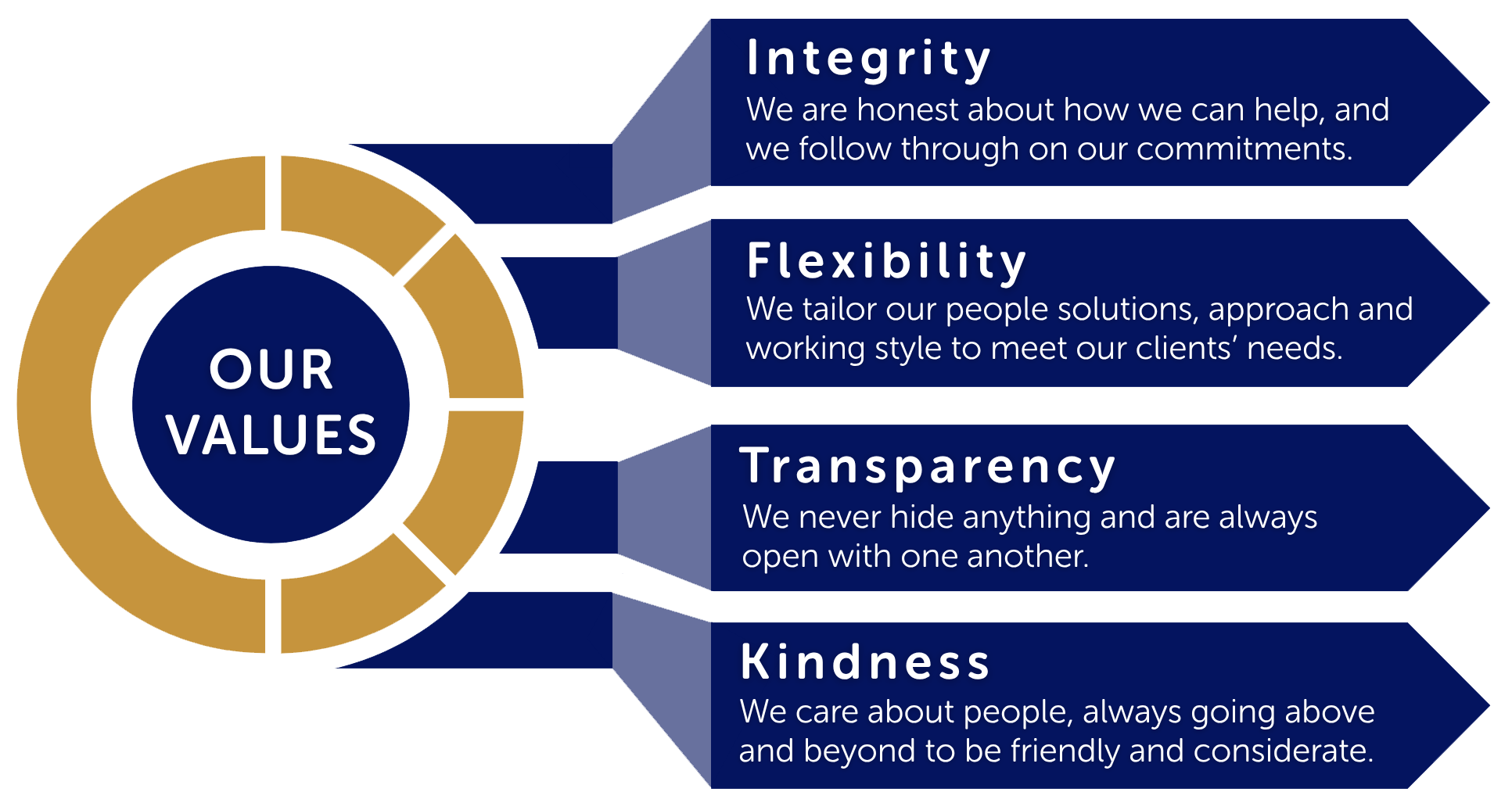
Values are most useful when they influence real actions. They can shape hiring decisions, management expectations, recognition and the way disagreements are handled. Leaders should also pay attention to how employees experience the culture rather than assuming that written values automatically reflect reality.
Regular feedback, manager development and consistent communication can help preserve a positive culture even as the organisation becomes more complex.
People Strategy Is Part of Business Strategy
The central lesson for growing businesses is simple: people management should not sit separately from commercial planning. Hiring, leadership, performance, compliance and culture all influence the organisation’s ability to deliver its goals.
A practical HR partner can help translate growth plans into people priorities. That may mean strengthening management capability before headcount increases, reviewing documentation before a restructure or improving recruitment before a new phase of expansion.
For Surrey SMEs, the right level of HR support can provide structure without unnecessary bureaucracy. It allows the business to retain its agility while giving managers and employees a clearer, more consistent foundation for the next stage of growth.