
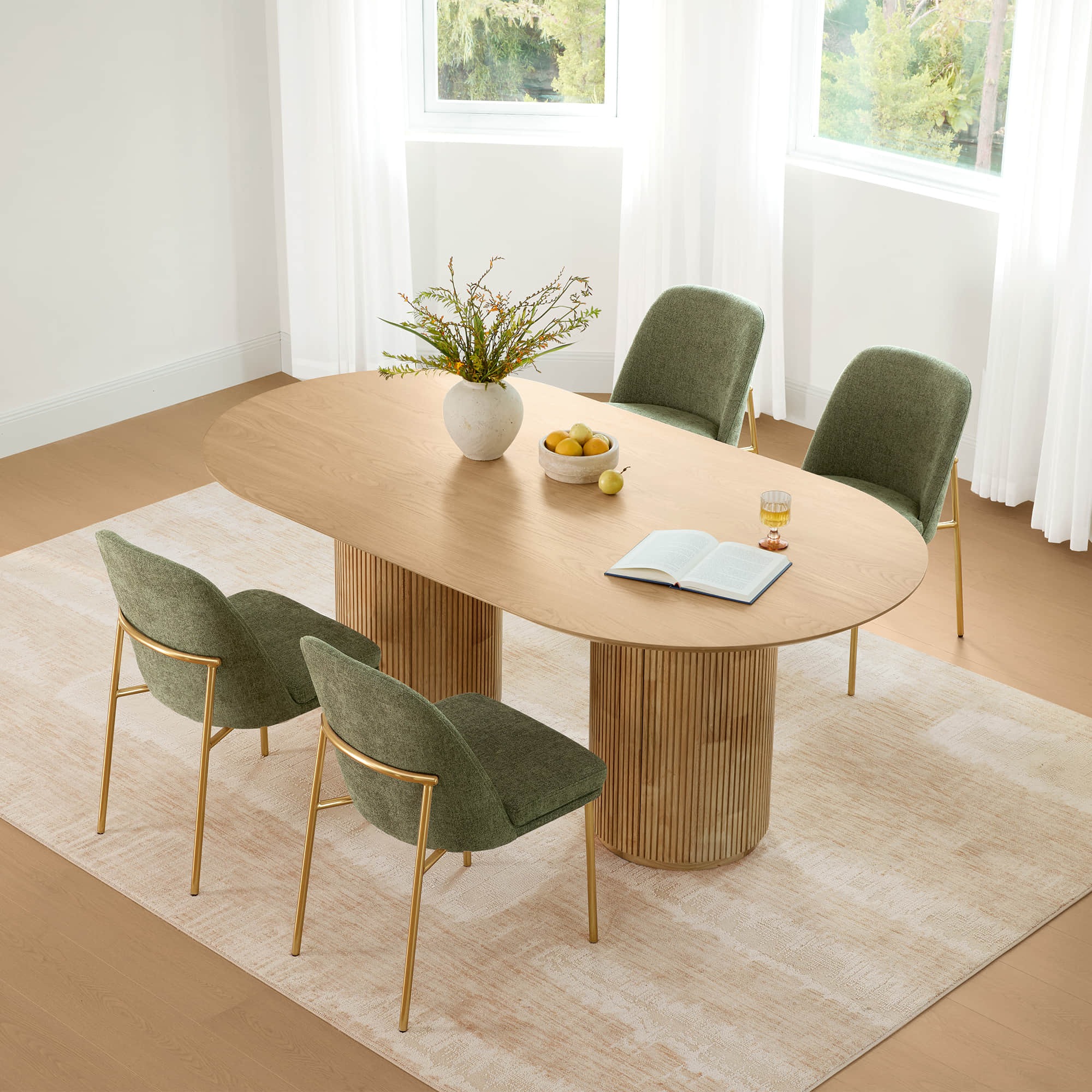
The dining table is more than just a piece of furniture — it’s the heart of the home where families gather for meals, conversations, homework sessions, and celebrations. Yet finding the right one can feel overwhelming. Many homeowners struggle with tables that are too cramped for growing families, surfaces that show every scratch and spill, or designs that sacrifice style for function. Perhaps you’ve experienced the frustration of squeezing extra guests around a table that simply wasn’t built for entertaining, or watching a beautiful finish deteriorate under the demands of daily family life.
This guide is designed to help you navigate the process of selecting a dining table that truly works for your household. We’ll explore how to assess your family’s unique needs, determine the ideal size and shape, choose materials that withstand years of use while looking beautiful, and find smart features that adapt to your lifestyle. Whether you’re furnishing your first family home or upgrading an existing space, you’ll discover how to balance durability, aesthetics, and affordability to find a table that brings everyone together.
Understanding Your Family’s Dining Needs
Before browsing catalogs or visiting showrooms, take a step back and honestly evaluate how your family uses the dining table on a daily basis. Consider the number of people who sit down for regular meals, but also think beyond dinner — does your table double as a workspace for remote learning, art projects, or bill paying? Do you frequently host extended family or dinner parties? Families with young children need surfaces that can handle spills and sticky fingers, while households with teenagers might prioritize extra elbow room. Your lifestyle habits directly influence every subsequent decision, from the table’s dimensions to its material and finish. A family that entertains monthly has different requirements than one that primarily uses the table for weeknight dinners. By clearly defining your daily patterns and future needs — accounting for a growing family or changing routines — you create a practical framework that prevents costly mistakes and ensures your investment serves you well for years to come.
The Ideal Size: Why an 8 Person Dining Table Might Be Perfect
When it comes to family dining, having enough space for everyone matters more than most people realize. An 8 person dining table hits a sweet spot for many households — it comfortably seats a family of four or five for everyday meals while providing ample room when grandparents visit or friends come over for dinner. Compared to a six-seater, you gain meaningful flexibility without the overwhelming footprint of a ten or twelve-person table that dominates a room. The extra seats mean you’ll never need to pull up mismatched chairs or relegate someone to a corner. For families who anticipate growth, whether through children, in-laws, or an expanding social circle, this size offers breathing room that smaller tables simply cannot.
Measuring Your Space for Optimal Fit

Before committing to an 8 person dining table, measure your dining area carefully. Start by noting the room’s length and width, then subtract at least 36 inches from each wall where chairs will be pulled out — this ensures comfortable seating and allows people to walk behind occupied chairs without disrupting the meal. A standard 8-seat rectangular table typically measures around 72 to 96 inches long and 36 to 42 inches wide, so your room should ideally be at least 12 feet by 10 feet. Mark the table’s footprint on the floor with painter’s tape to visualize traffic flow and confirm that doors, buffets, or sideboards won’t be blocked. This simple exercise prevents the common regret of purchasing a table that technically fits but makes the room feel cramped and difficult to navigate.
Material Matters: Choosing Durable and Stylish Options
The material you choose determines how your table ages, how much maintenance it demands, and how well it complements your home’s aesthetic. Families need surfaces that forgive daily wear while still looking inviting when guests arrive. Each material brings distinct trade-offs worth considering carefully.
Wood Dining Tables: A Timeless and Sturdy Choice
A wood dining table remains the gold standard for family homes, and for good reason. Hardwoods like oak, walnut, and maple resist dents and scratches far better than softer alternatives, standing up to years of homework sessions, craft projects, and enthusiastic dinner prep. Unlike glass, which shows every fingerprint, or metal, which can feel cold and industrial, wood offers warmth and character that actually improves with age. Minor scratches can be sanded and refinished rather than requiring full replacement — a practical advantage when children are part of the equation. Wood also pairs effortlessly with virtually any chair style or décor, making it a versatile long-term investment. Brands like Chitaliving have built their reputation around crafting solid wood tables that balance this kind of everyday resilience with refined design.
The Beauty and Practicality of Natural Finishes
A natural finish protects the wood while allowing its grain and texture to shine through, creating visual depth that painted or lacquered surfaces cannot replicate. These finishes — including oils, waxes, and matte sealants — tend to be more forgiving of everyday use because they don’t show chips or peeling the way high-gloss coatings do. When wear eventually appears, spot repairs blend seamlessly rather than requiring a complete refinishing job. A natural finish also adapts to shifting design trends, working equally well in farmhouse, Scandinavian, or contemporary dining spaces without feeling dated.
Smart Features for Family Life: Extendable and Functional Tables
A dining table that adapts to your changing needs eliminates the compromise between everyday practicality and entertaining capacity. Beyond flexible sizing, look for features that address real family challenges — rounded edges reduce injury risk for toddlers navigating the room, while stain-resistant sealants or protective coatings spare you the anxiety of every spilled glass of juice. Some tables incorporate built-in storage compartments for placemats or table linens, keeping your dining area organized without extra furniture. Sturdy, well-braced legs prevent wobbling during vigorous use, whether that’s a child kneading dough or a spirited board game night. The smartest family tables anticipate chaos rather than merely surviving it.
How an Extendable Dining Table Adapts to Your Needs
An extendable dining table offers the best of both worlds: a compact footprint for daily meals and generous seating when occasions demand it. The most common mechanisms include drop-in leaves that store separately, butterfly leaves that fold and tuck beneath the tabletop, and draw-leaf designs that slide out from either end. When choosing, consider how frequently you’ll extend the table — if it’s weekly, opt for a mechanism you can operate solo in under a minute without lifting heavy panels. Butterfly and self-storing leaves win here because nothing gets lost in a closet. Test the extension hardware for smooth operation and solid locking; a wobbly extended section undermines confidence and comfort. Finally, confirm that your chairs still fit proportionally when the table is fully expanded, since some designs widen the gap between legs in ways that leave end-seat diners straddling a support beam.
Blending Style with Practicality: Aesthetics for Your Dining Room
A family-friendly table doesn’t have to look utilitarian. The shape you choose sets the tone — rectangular tables suit formal dining rooms and maximize seating, while round or oval options encourage conversation and eliminate sharp corners that catch hips and elbows. Leg style matters both visually and functionally: pedestal bases offer more legroom and flexible chair placement, whereas four-legged designs provide traditional stability. Trestle bases split the difference, adding architectural interest while keeping the floor open for children’s feet or a highchair. When selecting color and finish, consider how the table interacts with your existing dining room furniture — a warm walnut pairs naturally with mid-century chairs, while a lighter ash or white oak freshens contemporary spaces. The goal is cohesion without rigidity; your table should anchor the room’s design while tolerating the realities of family use, proving that practical choices and beautiful ones aren’t mutually exclusive.
Finding Value: Affordable Solutions Without Compromising Quality
Investing in a family dining table doesn’t require draining your savings account. The key is distinguishing between cost and value — a cheaper table that warps or wobbles within two years costs more in the long run than a moderately priced solid wood option that lasts a decade or longer. Focus your budget on what matters most: a durable tabletop material and reliable construction at the joints and legs. You can save on secondary elements like decorative detailing or trendy hardware without sacrificing structural integrity. Timing purchases around seasonal sales, holiday promotions, or end-of-line clearances often yields significant discounts on quality pieces. Consider whether you truly need a matching set or whether pairing an affordable stylish dining table with mix-and-match chairs creates a look that’s both budget-conscious and intentionally curated.
Where to Shop for Budget-Friendly Family Dining Tables
Online furniture retailers frequently offer lower overhead costs that translate into better pricing, and many provide detailed reviews from fellow families who’ve stress-tested tables in real homes. Local estate sales and consignment shops are excellent sources for solid wood tables at a fraction of retail — older pieces were often built with superior craftsmanship. Warehouse-style stores carry surprisingly well-constructed options if you inspect joints and material thickness in person. Whatever route you choose, always verify return policies and warranty coverage before purchasing, ensuring you have recourse if the table doesn’t meet your family’s demands once it arrives home.
Making the Final Decision: A Step-by-Step Guide
With all the variables considered, distill your decision into a clear process. First, assess your family’s daily habits and guest frequency to establish your minimum seating requirement. Second, set a realistic budget that accounts for longevity — spending slightly more on solid construction saves money over time. Third, measure your dining space and mark boundaries with tape, confirming that your preferred table size allows at least 36 inches of clearance on all sides. Fourth, research materials and narrow your options to surfaces that match your maintenance tolerance; if you won’t oil a table quarterly, choose a sealed hardwood or durable finish. Fifth, test any extension mechanisms in person or read detailed reviews to ensure smooth, reliable operation. Finally, visualize the table within your existing décor by requesting material samples or using room-planning apps. This systematic approach transforms an overwhelming purchase into a confident, well-informed investment that your family will gather around for years.
Invest in a Table That Grows With Your Family
Choosing a family-friendly dining table comes down to balancing five essential factors: size, material durability, smart features, style, and affordability. An 8 person dining table provides the flexibility most households need, accommodating everyday meals and larger gatherings without overwhelming your space. Solid wood construction with a natural finish delivers the resilience families demand while aging gracefully through years of use. Extendable mechanisms and thoughtful details like rounded edges or protective coatings address the unpredictable realities of life with children, and these practical choices needn’t come at the expense of beautiful design.
Think of your dining table as a long-term investment in how your family connects — not just a surface for plates, but a place where memories form over shared meals and conversations. Use this guide as your roadmap: measure carefully, prioritize construction quality over superficial details, and choose a style that brings you joy every time you walk into the room. The right table won’t just fit your family today; it will grow with you for years to come.