
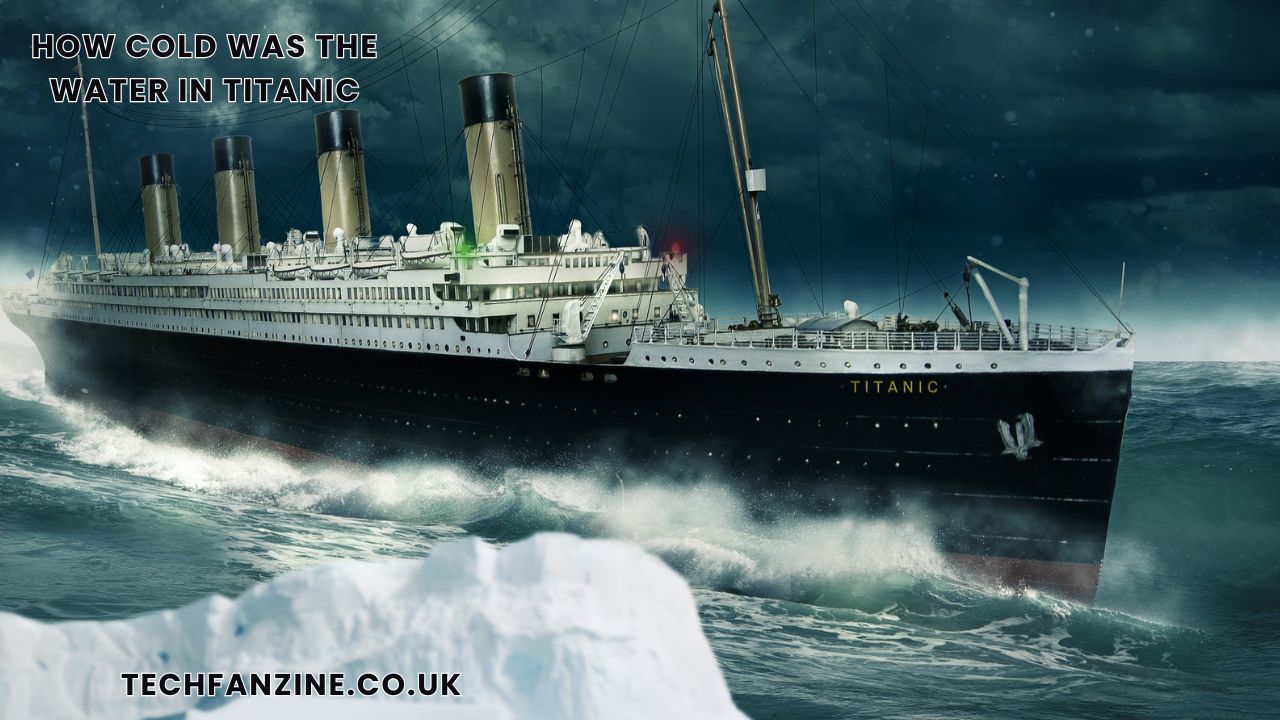
The question “how cold was the water in Titanic” is one of the most searched topics related to the tragic sinking of Sinking of the RMS Titanic. The temperature of the North Atlantic Ocean played a major role in the survival challenges faced by passengers and crew members during the disaster.
When the RMS Titanic sank on April 15, 1912, many people who entered the water faced extremely cold conditions. The freezing ocean environment became one of the greatest dangers after the ship disappeared beneath the waves.
Understanding how cold the water was helps explain why survival was so difficult. The disaster was not only caused by the sinking itself but also by the harsh conditions surrounding the ship after it went underwater.
The cold temperature, limited lifeboat capacity, darkness, and distance from rescue all contributed to the tragic loss of life. Exploring the water temperature provides important historical context about what passengers experienced during one of the most famous maritime disasters in history.
How Cold Was the Water During the Titanic Disaster?
The water temperature in the North Atlantic near the Titanic’s location was approximately 28 degrees Fahrenheit (-2 degrees Celsius) at the time of the sinking. This temperature was below the freezing point of fresh water, but saltwater can remain liquid at temperatures slightly below 32 degrees Fahrenheit.
Such extremely cold conditions created an immediate threat to anyone who entered the ocean. The human body loses heat rapidly in cold water, especially when a person is unable to get out of the water quickly.
Many passengers and crew members who ended up in the ocean faced a dangerous environment with little protection. The freezing temperature made it difficult to survive for long periods.
The cold water was one of the major reasons the Titanic disaster became so deadly. Even those who initially survived the sinking faced a life-threatening battle against hypothermia.
The Effects of Freezing Water on the Human Body
Cold water affects the human body quickly. When someone enters extremely cold water, the body reacts through a series of physical responses that can reduce survival chances.
The first effect is often cold shock. A sudden drop in temperature can cause rapid breathing, panic, and difficulty controlling movement. This reaction can make swimming or staying calm extremely challenging.
After the initial shock, the body begins losing heat. In water near freezing temperatures, heat loss happens much faster than in cold air because water removes body heat more efficiently.
Hypothermia becomes a major danger as the body temperature continues dropping. Symptoms may include confusion, weakness, loss of coordination, and eventually unconsciousness.
For Titanic survivors in the ocean, these effects meant that even a short time in the water could become extremely dangerous.
Why the Titanic Water Temperature Was So Dangerous
The cold temperature alone was not the only problem. Several factors made the situation even more difficult for those who entered the ocean.
Many passengers were not wearing clothing designed for freezing water conditions. Heavy clothing could become uncomfortable and restrictive, while insufficient protection allowed body heat to escape quickly.
The nighttime conditions also increased the danger. The sinking occurred in darkness, making it harder for people in the water to locate lifeboats or receive immediate assistance.
The distance between survivors and available rescue resources created another challenge. Even though some lifeboats were nearby, many people in the water could not reach safety.
The combination of freezing water, darkness, and limited rescue options created an extremely difficult survival situation.
How Long Could Someone Survive in Titanic’s Water?
Survival time in water as cold as the North Atlantic during the Titanic disaster would vary depending on factors such as clothing, physical condition, age, and access to flotation.
In water around 28 degrees Fahrenheit, survival could be limited because the body loses heat very quickly. Many experts estimate that people exposed to such temperatures could become severely affected within minutes.
Cold water does not usually cause immediate death instantly, but it creates rapidly worsening conditions. The body’s ability to function decreases as hypothermia progresses.
Some people may survive longer than others, especially if they have protection from the cold or access to flotation devices. However, the Titanic’s ocean conditions were extremely harsh.
The limited time available for rescue made the freezing water one of the most serious threats after the ship sank.
The Role of Lifeboats During the Titanic Disaster
Lifeboats were the main chance of survival for passengers and crew after the Titanic began sinking. However, there were not enough lifeboat spaces for everyone aboard.
Those who reached lifeboats were protected from the freezing ocean, while many others were left facing the cold water.
The lifeboat situation became one of the most discussed aspects of the disaster. The lack of sufficient capacity increased the number of people exposed to the dangerous conditions.
The freezing temperature made the importance of lifeboats even greater. Without immediate protection from the ocean, survival chances decreased rapidly.
The Titanic disaster led to major changes in maritime safety regulations, including improvements related to lifeboat requirements and emergency procedures.
The Psychological Experience of Being in Freezing Water
The physical effects of cold water were only part of the challenge. The psychological experience was also extremely difficult.
Passengers and crew members faced fear, uncertainty, and the shock of suddenly being placed in a life-threatening situation.
The darkness of the ocean, the sinking ship, and the freezing temperature created overwhelming conditions.
Survival in such circumstances required not only physical endurance but also mental strength.
The experiences of those involved in the Titanic disaster continue to be studied because they reveal the human challenges faced during extreme emergencies.
Why People Continue Asking About Titanic’s Water Temperature
The question “how cold was the water in Titanic” continues attracting interest because temperature was a major factor in understanding the tragedy.
People studying the disaster often want to understand what survivors and victims experienced during those final moments.
The water temperature helps explain why the disaster resulted in such a high number of deaths despite rescue efforts.
Historical questions about conditions during major events help people understand the reality behind the stories they hear.
The Titanic remains one of history’s most studied disasters, and the freezing ocean conditions remain a central part of that story.
Lessons Learned From the Titanic Disaster
The Titanic disaster changed the way ships and maritime organizations approached safety. The tragedy highlighted the importance of preparation, emergency planning, and passenger protection.
After the sinking, safety standards improved, including stronger requirements for lifeboats and communication procedures.
The extreme cold conditions showed the importance of understanding environmental risks during emergencies.
The lessons from Titanic continue influencing discussions about transportation safety and emergency response.
The question about the water temperature is not only about numbers but also about understanding the conditions people faced during a historic tragedy.
The Historical Importance of Understanding Titanic’s Cold Water
Learning about the cold water during the Titanic disaster helps preserve the memory of those who experienced the event.
Historical details such as ocean temperature provide a clearer picture of the challenges faced by passengers and crew.
Understanding these conditions allows future generations to appreciate the seriousness of the disaster and the importance of safety improvements.
The story of Titanic continues because it combines technology, human decisions, survival challenges, and historical lessons.
Conclusion: How Cold Was the Water in Titanic?
The water surrounding the Titanic was approximately 28 degrees Fahrenheit (-2 degrees Celsius), making it an extremely dangerous environment for anyone who entered the ocean.
The freezing temperature contributed significantly to the tragedy by causing rapid heat loss and making survival extremely difficult.
Understanding how cold was the water in Titanic provides important insight into the challenges faced by passengers and crew during the disaster.
The Titanic remains a powerful historical reminder of the importance of safety, preparation, and respect for the forces of nature.
Also read: How to Turn Off CarPlay: Easy Steps to Disable Apple CarPlay Completely