
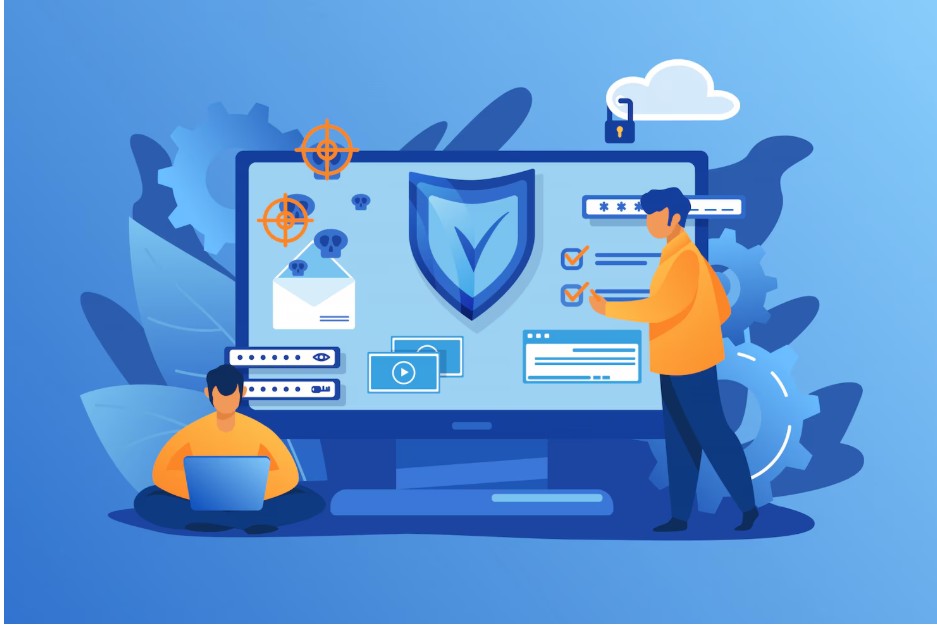
The digital threat landscape is much more dangerous than ever. Each day, companies are under attack from a wide range of viruses, malware, ransomware and other types of malicious code with the sole purpose of stealing data, interrupting business and causing financial losses. The journey from simple viruses that were transmitted through floppy disks to today’s intricate, multi-layered hacking attacks that can bring down whole organizations in hours has been a long one, but still, the transition is not over yet.
For companies small and big alike, the issue is not if they will encounter these threats but when they will do so. It has reached the point where conventional antivirus software will no longer be enough to cover the whole range of modern cyber attacks. The businesses will have to invest in all round information security software that will eliminate the threats totally and thus will make it possible to implement the protection strategies merging the capabilities of preventing, detecting and responding to the attacks.
Understanding Modern Malicious Code Threats
Malicious code has been metamorphosed to get way past plain viruses. Cutting edge malware variants are now being utilized by today’s threat actors, who are aiming at evading traditional security methods, inflicting maximum damage and then getting caught by detection. Knowledge of the perils is the prerequisite to effective defense.
Ransomware is one of the most troublesome and among the most devastating threats that organizations face. The nasty piece of software sucks out the whole system of files and hence, keeps the entire organization paying until the ransom is paid. Sometimes even the organizations that pay do not get all their data back and thus, paying attracts more attacks. The recent threat of ransomware has also changed the game, as they steal the data first and then encrypt it which results in double extortion scenarios where the hacker will release the sensitive data if the ransom is not paid.
Trojans disguise themselves as legitimate software while performing malicious actions in the background. These programs might steal passwords, monitor your activities, provide backdoor access to attackers or download additional malware. The deceptive nature of trojans makes them particularly dangerous because users often install them willingly, thinking they’re legitimate applications.
Spyware operates silently in the background, collecting sensitive information about your activities, credentials and data. This information gets transmitted to attackers who use it for identity theft, corporate espionage or further attacks. Many spyware variants are sophisticated enough to avoid detection by basic antivirus software.
How Information Security Software Provides Comprehensive Protection
Current day security management software comes up with a new method for the prevention of threats by fully operating on another level of protection. These platforms have multiple layers of protection that not only address the threats at various stages but also through different detection methods instead of just relying on signature matching.
Behavioral analysis is a kind of detection that focuses on monitoring the behavior of programs and processes rather than solely relying on the visual evidence. The behavioral analysis can recognize and halt threats even in the absence of signatures by monitoring suspicious activities of the software like encrypting a massive number of files, unexpectedly reading sensitive data or connecting with known malicious servers.
Machine learning and AI are used by security software to classify the threats based on their behavior and features instead of the patterns. The systems are trained on huge amounts of data that consist of both malicious and legitimate code, therefore, they can identify threats even if they have never encountered them. Whenever new malware types arise, the systems powered by ML grow, so to speak and hence become better in detecting.
Application whitelisting changes the security paradigm by permitting only the approved applications to run instead of attempting to block everything nasty. This methodology is highly effective against zero day vulnerabilities and fileless malware since even the most covert attacks cannot carry out their operation if they are not on the list of approved applications.
Network security integration monitors network traffic for signs of malicious communication, data exfiltration attempts and command and control connections. By analyzing network behavior alongside endpoint activity, information security management software can detect threats that individual endpoint solutions might miss.
Practical Steps for Prevention
Understanding how can you prevent viruses and malicious code requires implementing practical measures that address both technical vulnerabilities and human factors. Technology provides essential protection, but user awareness and organizational policies create the complete defense strategy.
Employee training is considered one of the most critical security investments that you can make in your organization. Teach the employees to spot phishing emails and shady links, validate if there is such a request for sensitive data, do not download software from untrusted sources and questions about security should be raised as soon as possible. Well trained staff are the additional security layer that works alongside the technical controls.
The regular software updates take away from malware the vulnerability they exploit. Create a timetable for the rapid installation of operating systems, applications and firmware patches on all devices. Automated systems will apply the critical patches promptly while keeping the admin time low.
Monitoring and Continuous Improvement
Security is not just a one time implementation; it is a continuous process of monitoring, evaluation and improvement. The threat landscape is always changing and your security measures have to adapt to that change in order to be effective.
Security information and event management (SIEM) systems collect and evaluate security data from all corners of your environment, noticing which patterns and anomalies might reveal threats. Centralized logging and correlation support detection of sophisticated attacks that are conducted over multiple systems and time frames.
Threat hunting consists of searching for compromises actively rather than waiting for alerts. Skilled security analysts bring into play a variety of tools and techniques to investigate dubious activities, atypical patterns and possible signs of compromise that might otherwise be overlooked by automated systems.
According to the Cybersecurity and Infrastructure Security Agency’s cybersecurity best practices organizations should regularly review and update their security measures to address evolving threats and incorporate lessons learned from security incidents and near misses.
Incident response planning ensures your organization can respond quickly and effectively when threats are detected. Defined procedures for containment, eradication and recovery, assigned roles and responsibilities for incident response and regular drills to practice response procedures all contribute to minimizing damage from successful attacks.
Moving Forward Securely
Viruses and malicious code prevention questions are not that easy to answer as there are many reasons for this like the threats are ever evolving and the attack vectors are multiplied. Nonetheless, a complete information security software still manages to be the first line of defense by deploying numerous layers of defense, utilizing sophisticated detection techniques and allowing quick reaction to the threats that come up.
Organizations that treat security as a strategic priority rather than a compliance checkbox position themselves for long term success. The investment in robust security software and practices pays dividends through reduced risk, enhanced reputation and competitive advantages in an increasingly security conscious marketplace.
As cyber threats grow more sophisticated, the gap between organizations with comprehensive security programs and those relying on basic protections will widen dramatically. The time to strengthen your defenses is now, before the next wave of attacks targets your organization. By implementing layered security strategies supported by advanced information security software, you can protect your business while enabling the innovation and growth that drive success in today’s digital economy.