
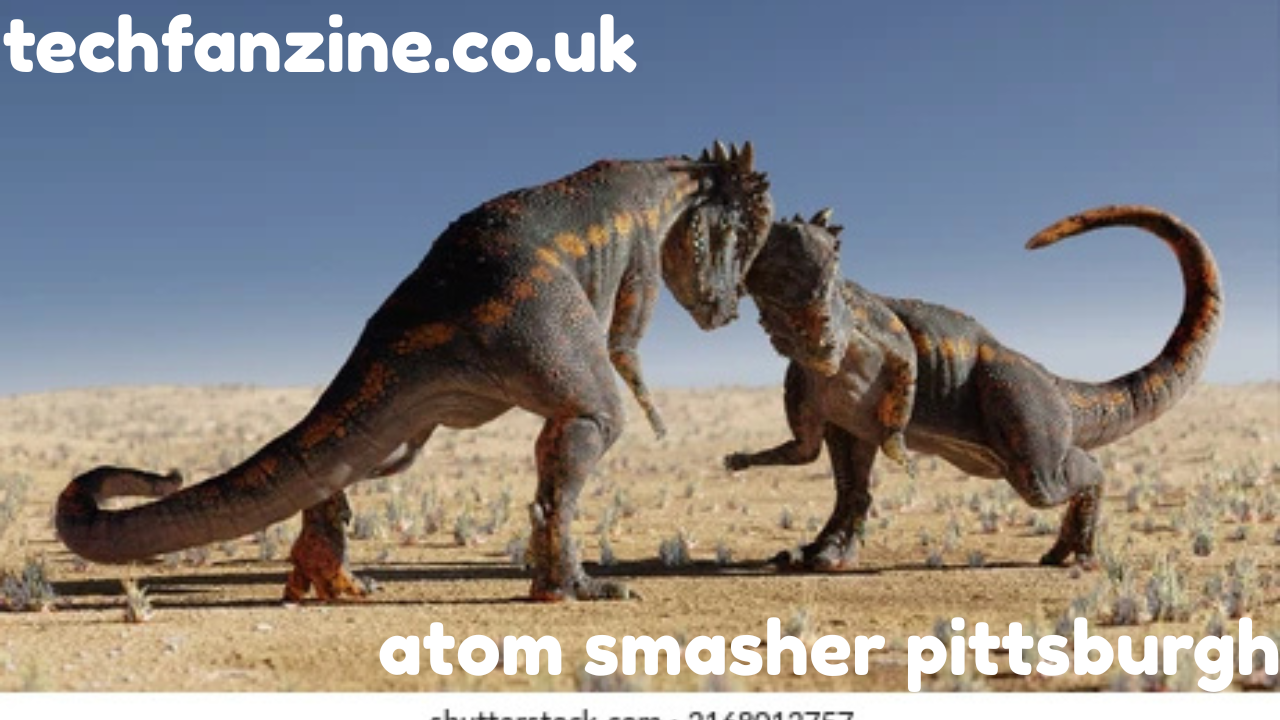
Dinosaurs continue to fascinate scientists and enthusiasts alike, and among them, head butting dinosaurs hold a special place in paleontology. These prehistoric creatures developed unique skull structures and behaviors that allowed them to engage in head-to-head combat, either for dominance, mating rights, or territorial disputes. Understanding these dinosaurs gives us insight not only into their biology but also into their social behaviors and survival strategies.
The Anatomy of a Head Butting Dinosaur

Head butting dinosaurs were equipped with specialized adaptations that made them capable of withstanding high-impact collisions. Many of these species, such as Pachycephalosaurus, had thick, dome-shaped skulls reinforced with dense bone layers. This structure acted as a natural helmet, absorbing shock while minimizing the risk of brain injury.
Beyond the skull, their neck muscles and vertebrae were robust, providing stability and support during these aggressive encounters. Some species even displayed ornamentation on their heads, such as knobs or spikes, which may have enhanced both the defensive and offensive capabilities of head butting.
Why Dinosaurs Engaged in Head Butting

Head butting was more than a display of brute force; it played a crucial role in social dynamics among these creatures. Paleontologists believe that head butting could have been used in several contexts:
- Territorial Disputes: Competing for resources such as food or nesting grounds.
- Mating Rituals: Establishing dominance over rivals to attract mates.
- Social Hierarchy: Reinforcing or challenging the rank within a group.
Unlike modern animals, head butting dinosaurs often relied on both physical strength and strategic timing to ensure that confrontations were effective yet survivable.
Notable Head Butting Dinosaurs
The most famous example of a head butting dinosaur is the Pachycephalosaurus, often referred to as the “dome-headed dinosaur.” These dinosaurs lived during the Late Cretaceous period and could reach lengths of up to 15 feet. Fossil evidence suggests that their thick skull domes could withstand significant impacts, indicating that head butting was a regular part of their behavior.
Another example includes species from the genus Stygimoloch, which had spikes and bony protrusions surrounding their heads. These features may have enhanced their combat efficiency and intimidation tactics. Fossilized injuries on skulls provide clear evidence of intraspecies combat, confirming the aggressive interactions among these dinosaurs.
How Scientists Study Head Butting Behavior
Studying head butting dinosaurs is challenging because behavior cannot be observed directly from fossils. However, paleontologists use a combination of fossilized evidence, biomechanical modeling, and comparisons with modern animals to make educated inferences.
- Fossil Analysis: Skull damage patterns and healed fractures indicate frequent head-to-head impacts.
- Biomechanical Simulations: Computer models simulate how forces are absorbed by the skull and neck during collisions.
- Modern Analogues: Animals like bighorn sheep or musk oxen provide insight into how head butting may have functioned in prehistoric times.
These methods allow scientists to reconstruct not only the physical capabilities of these dinosaurs but also their social and behavioral patterns.
The Evolutionary Advantage of Head Butting
Head butting provided several evolutionary benefits to dinosaurs that developed this behavior. First, it allowed males to compete for mates without resorting to fatal violence, as the dome-shaped skulls minimized injury. Second, the ability to assert dominance without leaving the group physically weakened promoted survival and reproduction. Finally, such adaptations could have deterred predators by demonstrating strength and resilience.
Interestingly, head butting likely evolved independently in several dinosaur lineages, suggesting it was a successful survival strategy. Evolution favored those with thicker skulls, stronger necks, and better balance, leading to increasingly specialized head-butting adaptations over millions of years.
Head Butting Dinosaur in Popular Culture
The image of head butting dinosaurs has also captured the imagination of popular culture. Movies, books, and documentaries often depict these creatures in dramatic confrontations, emphasizing their power and unique anatomy. While artistic interpretations sometimes exaggerate their behavior, they remain a compelling reminder of the diverse survival strategies of prehistoric life.
Challenges in Interpreting Fossil Evidence
Despite advances in paleontology, interpreting the behavior of head butting dinosaurs is not without challenges. Fossilized skulls can show damage from causes other than combat, such as accidents, predator attacks, or post-mortem processes. Additionally, the lack of soft tissue in fossils limits understanding of muscle structure and brain protection, which are crucial to fully understanding head-butting dynamics.
Researchers must be careful to distinguish between evidence of aggressive interactions and other forms of trauma. By combining multiple lines of evidence, scientists can build a more accurate picture of how head butting influenced dinosaur behavior and evolution.
Conclusion
Head butting dinosaurs, such as Pachycephalosaurus and Stygimoloch, highlight the fascinating complexity of prehistoric life. Their unique anatomy and behaviors demonstrate how evolution shaped creatures to survive in competitive environments. By studying their fossils, biomechanics, and social behaviors, we gain valuable insights into the natural history of Earth’s ancient inhabitants.
These ancient gladiators of the dinosaur world remind us that even millions of years ago, survival often required both strength and strategy, making head butting dinosaurs an enduring symbol of power and resilience in the prehistoric era.