
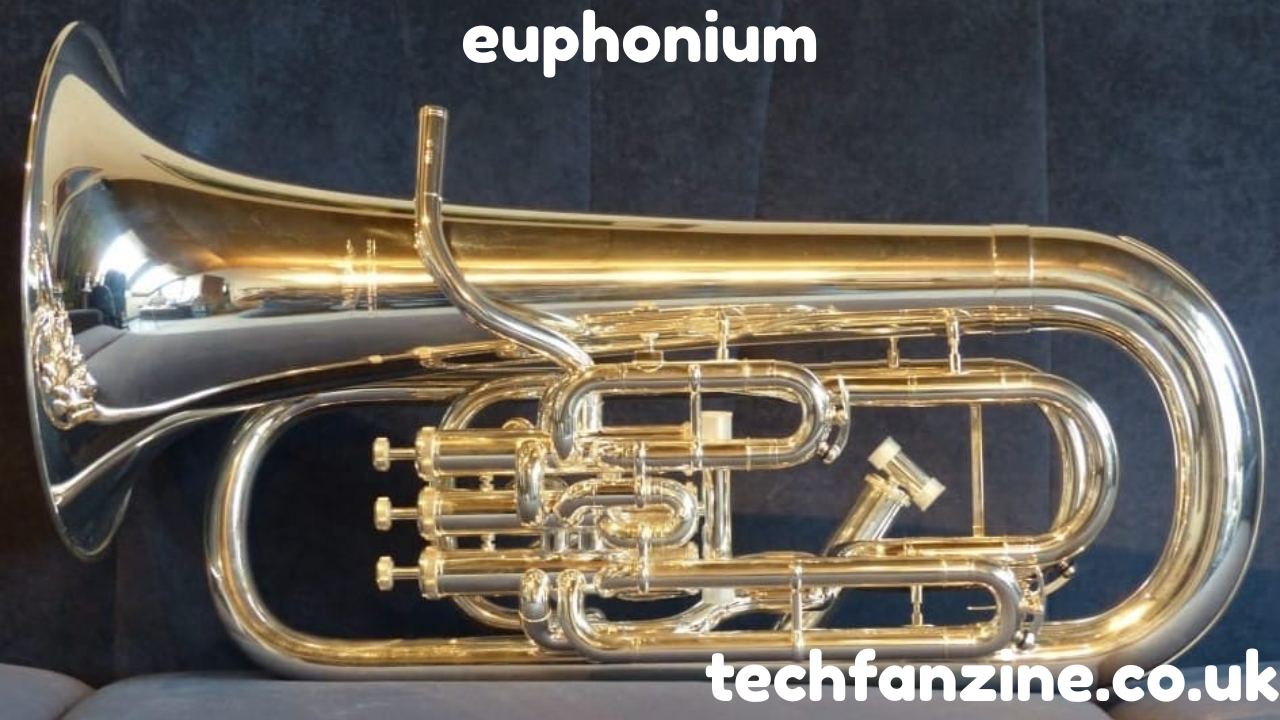
The euphonium is a captivating and versatile brass instrument that has found its way into concert bands, military bands, brass ensembles, and solo performances. Known for its rich, warm tone and remarkable agility, the euphonium often surprises those who are unfamiliar with it, blending the sonorous depth of the tuba with the nimble range of the trombone. Despite being somewhat overshadowed by its more famous relatives in the brass family, the euphonium holds a special place in music history and modern performance.
History of the Euphonium
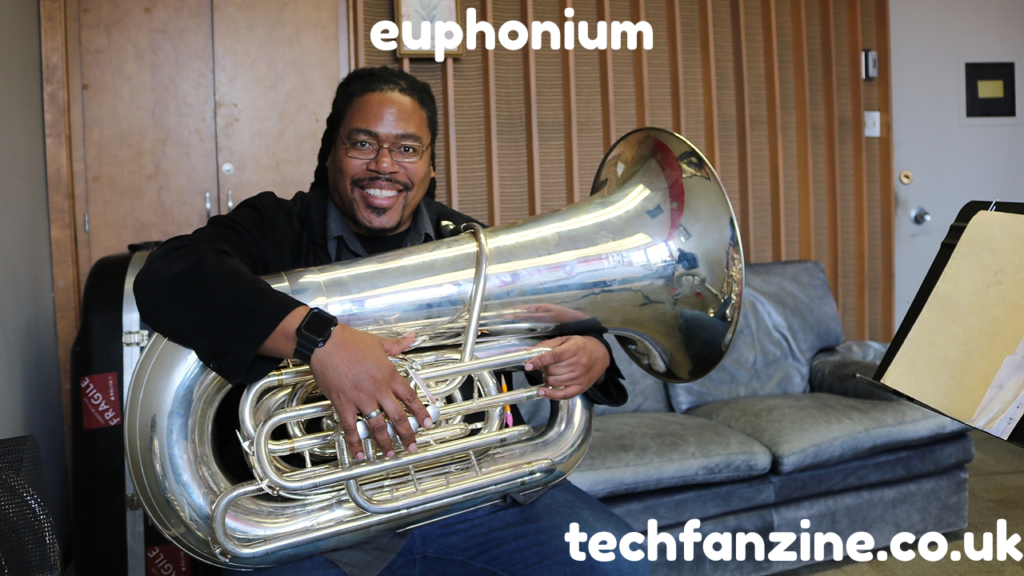
The euphonium traces its origins to the 19th century, during a period of innovation in brass instrument design. Its creation is credited to the German instrument maker Friedrich Blühmel and his contemporaries, who sought to refine the design of the valved bass instruments. The word “euphonium” comes from the Greek term euphonos, meaning “sweet-voiced” or “well-sounding,” which perfectly describes the instrument’s mellow tone.
Originally, the euphonium was primarily used in military bands, providing a melodic voice in the lower brass section. Its capacity for lyrical phrasing and expressive dynamics quickly made it a favorite among composers and arrangers. Over time, it expanded into orchestral and solo contexts, although it remains more prevalent in wind bands than in symphony orchestras.
Structure and Design of the Euphonium
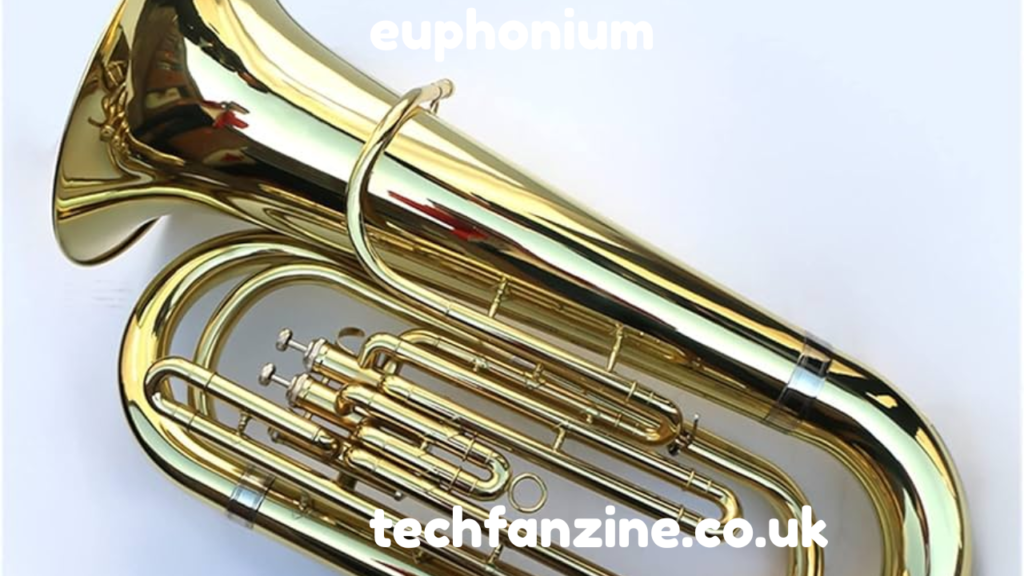
The euphonium is a conical-bore brass instrument, meaning that its tubing gradually widens from the mouthpiece to the bell. This design contributes to its characteristic warm and round sound. Most modern euphoniums have three or four valves, allowing the player to access a full chromatic scale across a wide range.
Unlike the tuba, which is larger and has a more profound bass resonance, the euphonium is more compact, with a range that typically spans from the E below the bass clef staff to about two octaves above middle C. Its mouthpiece is similar to that of the baritone horn, though slightly deeper, which helps produce the euphonium’s signature rich tone.
Playing Techniques and Musical Expression
Playing the euphonium requires a balance of breath control, lip tension, and finger dexterity. Because of its mellow timbre, it excels in lyrical passages, where long, flowing lines can showcase its singing quality. Euphonium players often employ vibrato, dynamic shading, and nuanced articulation to enhance musical expression.
Technically, the instrument allows for fast, agile passages despite its size, making it suitable for both melodic solos and complex ensemble work. Euphonium players can execute legato phrasing, staccato articulation, and even advanced techniques such as multiphonics and flutter tonguing in contemporary compositions.
Euphonium in Ensembles
The euphonium plays a crucial role in wind bands and brass bands, typically serving as a tenor-voice instrument in the lower register. In brass bands, it often carries prominent melodic lines, bridging the gap between trumpets and tubas. Military bands also rely heavily on the euphonium for its blend of power and lyrical beauty, enhancing both ceremonial and concert repertoire.
In chamber settings, the euphonium can be paired with instruments such as the trumpet, horn, trombone, or tuba. It is increasingly featured in solo recitals, often performing original euphonium compositions or transcriptions of works from the cello, trombone, or even vocal repertoire. Its expressive range allows it to be both a supporting and leading voice, making it uniquely versatile.
Notable Composers and Works
Several composers have written specifically for the euphonium, recognizing its distinctive sound. Among them, British composers like Philip Sparke and Joseph Horovitz have contributed significantly to euphonium literature. Solo pieces often highlight the instrument’s singing quality, while ensemble works explore its ability to blend with and support other voices.
Some iconic compositions and arrangements showcase the euphonium as a solo instrument, featuring lyrical melodies, virtuosic runs, and harmonic depth. Contemporary euphonium music continues to expand, incorporating jazz, pop, and experimental techniques, further demonstrating the instrument’s adaptability and expressive potential.
Euphonium Versus Similar Instruments
The euphonium is sometimes confused with the baritone horn or tuba due to visual and tonal similarities. While the baritone horn has a more cylindrical bore, producing a brighter and more direct tone, the euphonium’s conical bore allows for a warmer, fuller sound. Compared to the tuba, the euphonium is smaller and higher-pitched, yet it can perform rapid passages with greater agility.
This combination of characteristics makes the euphonium particularly valuable in ensembles. Its ability to balance between blending and standing out ensures that it can provide both harmonic support and melodic prominence.
Modern Euphonium Innovations
Recent developments in instrument design have enhanced the playability and tonal quality of the euphonium. Innovations include improved valve mechanisms for smoother transitions, lightweight materials for easier handling, and ergonomically designed fingerings to accommodate players of all ages. Some modern euphoniums also incorporate adjustable bells and custom mouthpieces to further refine the instrument’s sound.
Additionally, contemporary composers are exploring extended techniques that push the euphonium beyond traditional playing, including multiphonics, microtones, and electronic integration. These advancements have broadened the euphonium’s role in new music, film scores, and jazz ensembles.
Learning and Mastery
Learning the euphonium involves developing fundamental brass techniques such as embouchure control, breath support, and articulation. Beginners often start with simple scales and long tones to build a steady tone, while intermediate and advanced players progress to technical exercises, etudes, and full ensemble repertoire.
Because of its melodic and expressive capabilities, the euphonium also encourages players to focus on musicality, phrasing, and emotional interpretation. Many conservatories and music schools around the world now offer specialized euphonium instruction, reflecting its growing recognition as a solo and ensemble instrument.
The Euphonium’s Cultural Impact
Beyond its technical aspects, the euphonium has had a cultural impact, particularly in countries with strong brass band traditions such as the United Kingdom, the United States, and Germany. Its voice is integral to community bands, military ceremonies, and school music programs, inspiring both musicians and audiences alike.
The instrument’s evocative tone often evokes feelings of nostalgia, solemnity, or joy, depending on the context of its performance. Whether in a quiet solo recital or a powerful brass ensemble, the euphonium continues to captivate listeners with its depth and versatility.
FAQs About the Euphonium
Q: What is the main difference between a euphonium and a tuba?
A: While both are bass brass instruments, the euphonium is smaller, higher-pitched, and has a conical bore, giving it a warmer, more lyrical sound. The tuba is larger and provides a deeper, more resonant bass.
Q: Can beginners learn the euphonium easily?
A: Yes. Many brass players start with the euphonium, as it offers a manageable size and mouthpiece compared to larger brass instruments. With consistent practice, beginners can quickly develop tone and technique.
Q: Is the euphonium used in orchestras?
A: While less common in symphony orchestras, the euphonium is a staple in wind ensembles, brass bands, and military bands. Some contemporary composers do include it in orchestral compositions for its unique tonal color.
Q: Are there solo pieces for euphonium?
A: Absolutely. There is a growing body of solo repertoire for euphonium, including original compositions and arrangements from other instruments, highlighting its expressive and technical capabilities.
Conclusion
The euphonium is more than just a supporting brass instrument—it is a voice of warmth, expression, and versatility. Its rich history, unique design, and diverse musical applications make it an essential part of the brass family. Whether performing in a military band, a community ensemble, or as a soloist, the euphonium continues to enchant listeners with its deep, lyrical sound and remarkable adaptability.
ALSO READ : Country Flag Egypt – History, Colors, and Meaning Explained