
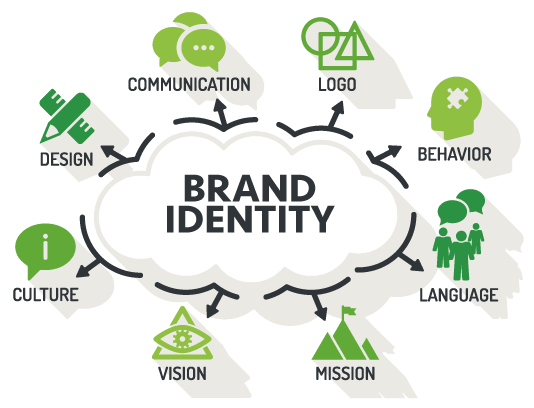
Brand confidence is not simply a matter of tone or visual identity; it is the result of consistent, credible actions that reinforce trust over time. Organizations that project confidence effectively do so by aligning their messaging, operations, and customer experience into a cohesive whole. In competitive markets where buyers are increasingly discerning, demonstrating confidence in your brand can influence perception, shorten decision cycles, and strengthen long-term relationships. This requires more than bold claims—it demands clarity, proof, and consistency at every touchpoint.
Aligning Messaging with Proven Value
Confident brands communicate with clarity and precision. They avoid vague promises and instead articulate a distinct value proposition supported by tangible outcomes. This begins with a deep understanding of customer needs and a clear explanation of how products or services address those needs better than alternatives.
Evidence plays a critical role in reinforcing this confidence. Case studies, measurable results, and customer testimonials provide concrete validation of claims. Organizations that consistently showcase real-world impact build credibility that extends beyond marketing language. At the same time, consistency across channels—whether in sales materials, digital platforms, or customer interactions—ensures that the brand message remains unified and recognizable.
Delivering a Reliable and Cohesive Experience
Confidence is reinforced through experience. When customers interact with a brand, every element—from website navigation to customer support—should reflect reliability and professionalism. Any disconnect between what is promised and what is delivered can quickly undermine perceived confidence.
Operational excellence is therefore essential. This includes maintaining consistent product quality, meeting deadlines, and providing responsive support. Organizations that invest in strong internal processes are better equipped to deliver predictable outcomes, which in turn builds trust with customers.
Leadership visibility also contributes to brand confidence. When executives and subject matter experts actively engage with the market—through speaking engagements, thought leadership, or direct communication—they humanize the brand while reinforcing its authority. This presence signals that the organization stands behind its offerings and is willing to be accountable.
Repetition is another important factor. Confident brands do not frequently shift their core message or identity. Instead, they reinforce key themes over time, allowing the market to associate specific strengths and values with the brand. This consistency creates familiarity, which is often interpreted as reliability.
Strengthening Authority Through Visibility and AI Presence
In a digital-first environment, confidence is closely tied to visibility. A brand that is consistently present in relevant industry conversations is more likely to be perceived as authoritative. This requires a strategic approach to content, distribution, and engagement across multiple channels.
AI visibility is an increasingly important dimension of this effort. As decision-makers rely more on AI-driven tools to research solutions, brands must ensure that their content is structured, accurate, and easily interpretable by these systems. This involves publishing high-quality materials that clearly demonstrate expertise while maintaining consistency across platforms.
Tactics such as Premium News Placements can enhance credibility by associating the brand with trusted media outlets. These efforts should be integrated into a broader strategy that includes ongoing content creation, search optimization, and participation in industry discussions. The goal is to create a comprehensive digital footprint that reinforces authority wherever potential customers seek information.
Maintaining Confidence Through Adaptability and Transparency
While consistency is essential, confidence does not mean rigidity. Markets evolve, and brands must adapt without appearing uncertain. This requires a balance between staying true to core values and being responsive to new challenges and opportunities.
Transparency is a key component of this balance. When organizations communicate openly about changes, challenges, or improvements, they reinforce trust rather than diminish it. Customers are more likely to respect a brand that acknowledges reality and demonstrates a clear path forward.
Internal alignment also plays a significant role. Employees at all levels should understand and embody the brand’s values and messaging. When internal teams are aligned, external communication becomes more authentic and consistent, further strengthening confidence.
Conclusion
Demonstrating confidence in your brand is an ongoing process that combines clear messaging, reliable delivery, and strong visibility. Organizations that succeed in this area focus on proving their value, maintaining consistency, and adapting thoughtfully to change. By aligning internal capabilities with external communication, they create a brand presence that is not only credible but resilient. In a competitive landscape, this confidence becomes a powerful differentiator, shaping how customers perceive and engage with the organization over time.