
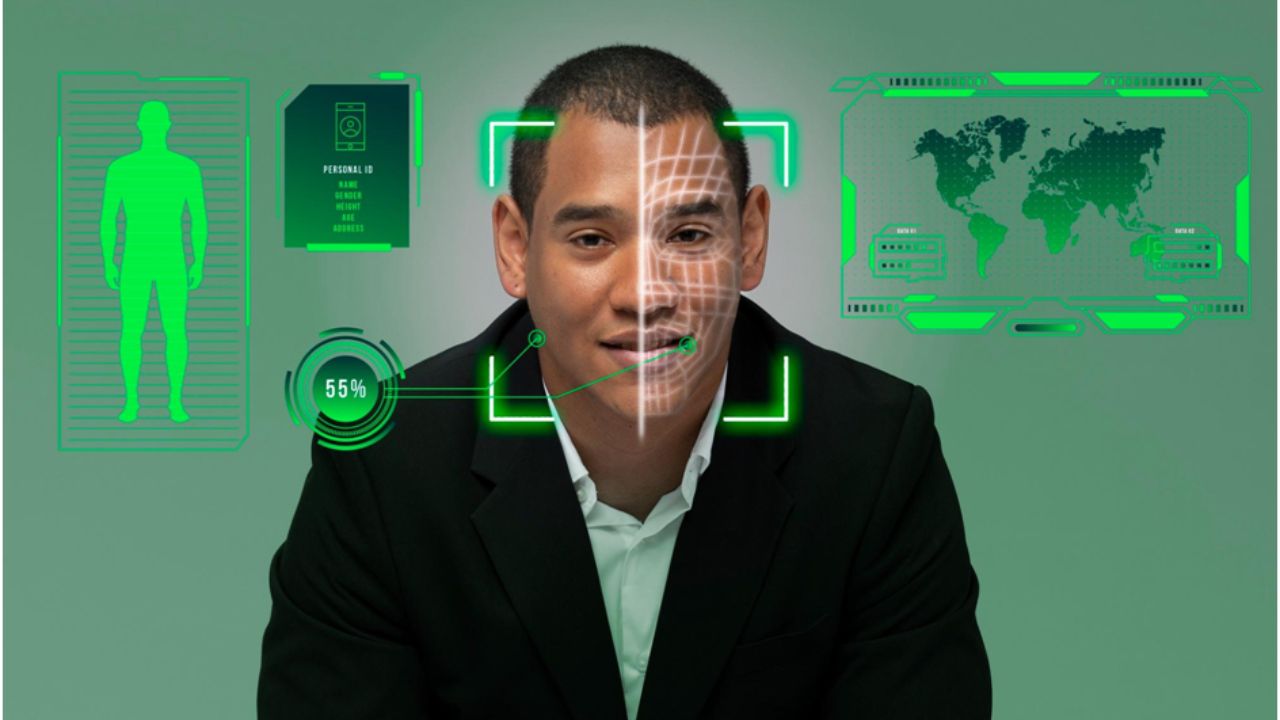
Artificial intelligence has changed many aspects of digital media, from automated video editing to advanced image generation. One of the most fascinating developments in this field is AI face swap technology, which allows users to replace one person’s face with another in photos or videos while maintaining natural expressions and lighting.
What once required complex visual effects software can now be done automatically with AI. In the past decade, improvements in deep learning and computer vision have made face swapping faster, more realistic, and accessible to everyday users. According to industry reports from Statista, the global artificial intelligence market is expected to exceed $1 trillion by 2030, and media production tools powered by AI are a major part of this growth.
As the technology continues to evolve, face swapping is becoming more than just a novelty feature. It is shaping how entertainment, marketing, and digital storytelling are produced. Understanding where this technology is heading helps businesses and creators prepare for the next wave of digital media innovation.
What Is AI Face Swap Technology?
AI face swap technology uses machine learning models to replace one person’s face with another in images or videos while maintaining realistic facial expressions and lighting.
The system works by detecting key facial landmarks such as the eyes, nose, mouth, and jawline. These landmarks are mapped onto another face, allowing the AI to blend features naturally into the target image or video.
Modern face swap systems rely on several core technologies:
- Deep learning models trained on large image datasets
- Facial recognition algorithms that detect facial landmarks
- Image blending techniques that match lighting and skin tone
In video editing, the process becomes even more complex. The AI must analyze facial movements across every frame and maintain consistency throughout the video.
Because of advances in GPU processing and neural networks, what once required hours of manual editing can now be completed in seconds.
Why Is Face Swap Technology Growing So Quickly?
The rapid growth of AI face swap technology is driven by several trends in digital media and content creation.
First, the explosion of short-form video platforms has increased the demand for fast and creative editing tools. Content creators are constantly searching for ways to produce engaging visuals that stand out in crowded feeds.
Second, businesses are adopting AI tools to create personalized and interactive marketing campaigns. AI-generated visuals allow companies to produce customized content without the cost of traditional video production.
Another factor is accessibility. Many AI-powered editing platforms now operate online, allowing users to upload images or videos and generate results instantly.
Research from Deloitte shows that over 70 percent of media companies are investing in AI-driven production tools, highlighting how quickly artificial intelligence is becoming integrated into creative workflows.
These trends suggest that face swap technology will continue expanding as digital media becomes more automated and personalized.
How Will AI Face Swap Change Content Creation?
AI face swap technology is already transforming how creators produce visual content, and its impact will likely increase in the coming years.
One major change is the speed of production. Traditional video editing often requires specialized software and professional editors. AI tools automate many of these tasks, allowing creators to produce content more quickly.
Another important development is the rise of personalized media. With AI face swapping, creators can generate multiple variations of a video using different faces or characters. This opens new opportunities for targeted marketing and audience engagement.
Entertainment industries are also exploring the technology. Film studios are experimenting with AI to recreate historical figures, de-age actors, or modify scenes without costly reshoots.
For example, AI face swapping can allow a production team to replace an actor’s face in a scene while keeping the original performance intact. This reduces production costs and allows filmmakers to experiment with creative ideas more easily.
These capabilities suggest that AI-powered editing will become a standard part of digital media production.
What Role Will AI Platforms Play in Future Face Swap Tools?
AI platforms are becoming increasingly sophisticated, and they are shaping the future of face swap technology.
Many modern systems combine facial recognition with animation and motion tracking technologies. This allows creators to not only replace faces but also animate characters and apply realistic expressions across different scenes.
For instance, platforms such as Viggle AI illustrate how AI-driven animation systems can transform static images into dynamic characters that move and express emotions. Technologies like this show how face swapping is evolving into a broader form of AI-powered visual storytelling.
Instead of simply editing images, future AI tools will likely integrate face swapping with character animation, motion capture, and generative media. This combination will allow creators to build complex digital scenes without traditional production methods.
As AI models become more powerful, these platforms will likely produce results that are nearly indistinguishable from real footage.
What Industries Will Benefit Most from AI Face Swap Technology?
Face swap technology is already influencing multiple industries, and its impact will likely expand as the technology matures.
Entertainment and film production will benefit from the ability to modify scenes quickly. Studios can adjust facial performances or recreate historical characters without large reshoots.
Digital marketing will also see major changes. Brands can use AI to personalize advertisements by adapting visuals to different audiences.
Education and training may adopt face swap technology to create realistic simulations. For example, training videos could use AI-generated faces to represent different scenarios.
Gaming and virtual reality are also expected to integrate AI face swapping. Players may be able to insert their own faces into game characters or virtual avatars.
According to research from PwC, artificial intelligence technologies could contribute $15.7 trillion to the global economy by 2030, with media and entertainment being one of the industries experiencing significant growth.
These opportunities suggest that face swap technology will become a valuable tool across many sectors.
What Ethical Challenges Could Shape the Future of Face Swap Technology?
Despite its benefits, AI face swap technology raises important ethical and privacy concerns.
One major challenge is the potential misuse of realistic AI-generated content. Because face swap videos can appear authentic, they may sometimes be mistaken for real footage.
Researchers studying synthetic media have found that more than 60 percent of viewers struggle to distinguish between real and AI-generated videos in certain situations. This highlights the importance of transparency when using AI-generated media.
Technology companies are developing solutions to address these concerns. Some platforms include digital watermarks or metadata tags that identify AI-generated content.
Governments and regulatory organizations are also discussing policies related to deepfake technology and synthetic media.
Responsible use will play an important role in the future of face swap technology. Clear guidelines and transparency measures can help ensure that AI tools are used for creativity and innovation rather than misinformation.
Conclusion
AI face swap technology has evolved rapidly over the past decade, transforming from a niche editing technique into a powerful tool for digital media creation. Advances in deep learning, facial recognition, and image processing have made it possible to generate highly realistic results with minimal effort.
As artificial intelligence continues to improve, face swapping will likely become an essential part of video production, marketing, entertainment, and digital storytelling. Creators will be able to experiment with new forms of content while businesses gain access to more efficient production methods.
At the same time, the future of this technology will depend on responsible use and transparency. Ethical guidelines, content labeling, and privacy protections will help ensure that AI-generated media is used appropriately.
The continued evolution of AI face swap technology represents a broader shift toward automated creative tools. For businesses, creators, and technology innovators, understanding these changes will be key to navigating the future of digital media.
Also Read: How Do IQ Tests Measure Human Intelligence?